

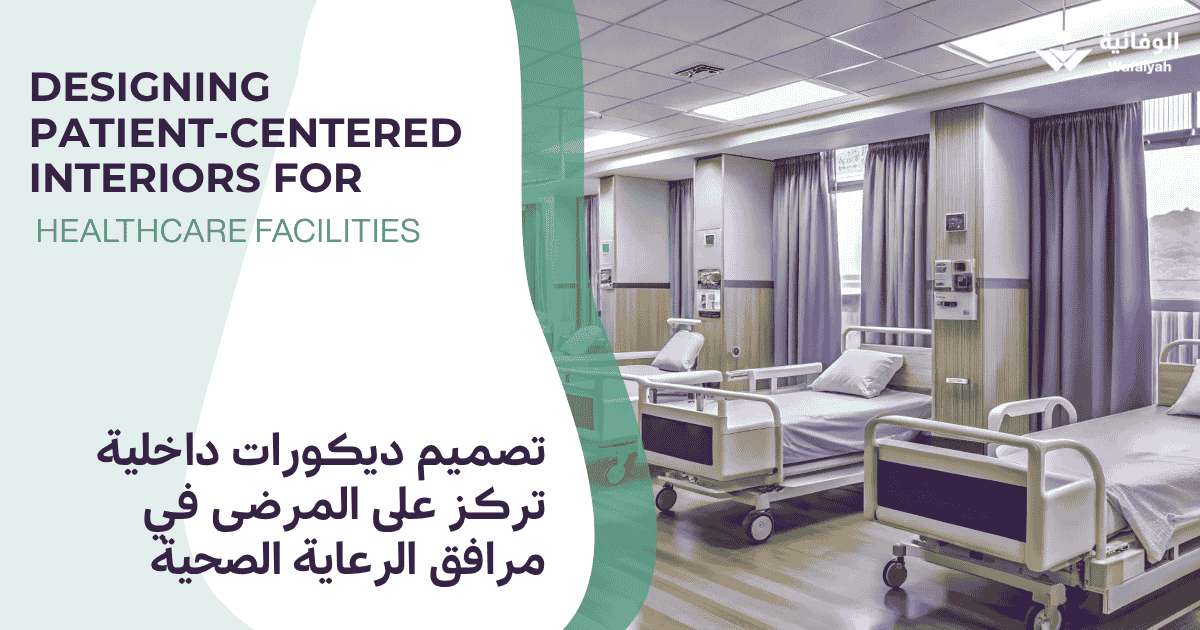
Designing patient-centered interiors is essential to creating healthcare facilities that promote healing, comfort, and well-being. A well-designed space goes beyond appearance; it supports medical teams, reduces patient stress, and ensures safety at every step. Smart choices in lighting, layout, materials, and accessibility can make hospitals and clinics more welcoming and efficient. By focusing on the patient experience, healthcare interiors become places of dignity and care, where healing feels supported. Wafaiyah,m believes patient-centered interiors are key to healing, comfort, and safety. This guide explores practical strategies and best practices to help healthcare professionals, architects, and facility managers design spaces that truly put patients at the center.
The idea of patient-centered design is all about focusing on the physical and emotional needs of people who need special care. It plays a fundamental role in improving privacy, reducing anxiety and promoting respect. Spatial layouts that lead to stress reduction must be taken into consideration. Such layouts are based on single-occupancy rooms to limit noise and exposure.
Emotional support is also essential, using soft colours and natural materials. Excellent cooperation among clinical staff, architects, interior designers, etc., ensures that functional and aesthetic requirements are met. Finally, this is not just about the clinical efficiency of patient-centered design; it also improves well-being, resulting in better outcomes and patient, family, and staff satisfaction.
Designing Layouts for Easy Movement and Safety
A good healthcare interior design eases the patient and facilitates the movement of the staff. Avoidance of hazards and extra traffic is made possible by clearing routes that have clutter. Focus on smart circulation. Patients and visitors must flow intuitively through the entrance and to the reception and rooms. Have a generous turning radius and widths of doors to accommodate wheelchairs and stretchers.
Plan modular areas to promote privacy and efficiency. Place handwashing facilities and supply rooms as close as possible to patient rooms. Isolation requirements are also taken into consideration through thoughtful layout, with special pathways to prevent contamination.
Innovative layouts ensure that the environment is safer and more effective. They combine functionality with patient comfort, allowing care to be delivered smoothly without much stress.
Role of Natural Light in Improving Patients' Health and Mood
The use of natural light is essential in improving the well-being and mood of patients. It positively affects both the physical and the psychological condition of the patients. Circadian rhythms are controlled by exposure to sunlight. This enables patients to sleep well, reduces stress, and contributes to emotional stability. It also increases the production of vitamin D to boost immunity and help with quick recovery.
Studies have indicated that patients who are admitted to naturally lit rooms in hospitals tend to perceive less pain. They have shorter hospital stays and better overall results. In addition to physical benefits, natural light provides positive healing spaces that are calm, hopeful, and comfortable. Sunlit rooms promote activity, interaction and involvement in the recovery process, and eventually a healthy mind and body during hospital stay.
Choosing Best and Durable Materials for Healthcare Centers
1. Stainless Steel in Healthcare
Stainless steel is commonly used in surgical equipment, medical equipment, and hospital buildings. It is strong, non-corrosive, and sterilizable and thus durable and safe. Plus, it is not easily contaminated, making it suitable for use in an operating room, intensive care unit and diagnostic equipment.
2. Medical-Grade Plastics
Polymers such as polyethene, polypropylene, and PVC are vital in the healthcare sector in the form of tubing, catheters, syringes, and IV bags. They are inexpensive, easy to carry and flexible. They can be sterilized and used flexibly for single-use, disposable and long-term purposes.
3. Ceramics and Bioglass
Bone grafts, dental implants, and joint replacements use ceramics and bioglass. These biocompatible materials facilitate the regeneration of tissue and are wear-resistant. Their strength and capacity to bond with natural bone make them very applicable in restorative and reconstructive medical procedures.
4. Antimicrobial Fabrics
Antimicrobial fabrics are used more in hospitals in uniforms, bedding, and curtains. These fabrics are impregnated with silver ions or copper, and this minimizes bacterial growth. They can help prevent hospital-acquired infections. Hence, they improve patient safety and hygiene as well as the comfort of the patients and healthcare workers.
The Need for Choosing Acoustic Design for Healthcare
Acoustic design is not merely an architectural choice but a healthcare necessity. By focusing on sound control, hospitals boost healing environments, support caregivers, and protect communication. Ultimately, well-planned acoustics contribute to a safer, more comfortable, and patient-centered healthcare experience. A few of its main advantages are:
Enhancing Patient Recovery
The amount of noise in hospitals has a direct impact on the healing of patients. Unnecessary noise of equipment, alarms, or conversations may be stressful, interfere with sleep, and slow healing. Acoustic design reduces the amount of unwanted noise, creating a soothing environment that encourages comfort, rest and a quicker recovery process.
Supporting Staff Performance
The health practitioners must be focused and communicate clearly to promote patient safety. Loud noise causes fatigue, errors and stress. Acoustic planning is considered to limit distractions so that employees can focus, work faster, and remain precise in high-stress areas such as medical facilities.
Improving Privacy and Communication
Patients and caregivers need privacy in their confidential discussions. The acoustics can be poor, which has the risk of confidentiality being exposed. Hospitals can also prevent the invasion of privacy by using sound-absorbing materials and layouts. This improves effective communication among the doctors, nurses, patients and the families.
Ensuring Regulatory Compliance and Safety
Several healthcare standards focus on the safety and well-being of controlling hospital noise. Acoustic design supports facilities in complying with these regulations and reduces risks like alarm fatigue. Suitable sound management will help to make sure that essential alerts are audible without causing alarm or displeasure to staff or patients.
Importance of Incorporating Nature and Biophilic Elements
Biophilic design introduces the outside nature into the interior to improve well-being. Add green walls with low-maintenance plants in the lobbies or the waiting areas to make the air cleaner and the mood improve. Family areas can have potted plants or miniature indoor gardens that help with comfort.
Bring in natural elements, such as wood, stone, and water features, to create the feeling of being in nature. In the case where live plants cannot be used, high-quality nature murals or textures will suffice. Lighting that resembles natural patterns (e.g. dappled light) brings depth.
In-floor planting strips or terrariums at nurse stations provide soothing concentration. Make sure that there are maintenance plans regarding the live elements-drip systems, lighting needs. These benefits minimize stress hormone levels, pain management and staff morale.
Biophilic design conveys a sense of care and nurture, not just clinical excellence. It makes the patient feel embraced by a healing environment.
Conclusion
Patient-centered interior design is a work of art and science. It requires understanding the needs of patients and then designing a comfortable space around them. Careful decisions towards natural light, soothing materials, acoustical design, and flexible layouts can make spaces that respect patients, caregivers, and families. Take expert assistance from Wafaiyah in delivering interior environments that combine both compassion and precision. Together, we can create the environments where design and care meet to heal.
Frequently Asked Questions
What are the advantages of natural light to patients?
Daylight enhances mood, sleep patterns, and decreases stress; nature or daylight-mimicking views enhance recovery and well-being even more.
Are long-lasting materials capable of being friendly?
Yes–with hygiene-friendly surfaces, warm textures, soft colours, and wood-look finishes, spaces will be safe and inviting.
Why should acoustics be considered in healthcare?
Noise reduction will enhance patient sleep, reduce stress, and improve focus on the part of the staff. Sound-absorbing and noise-masking qualities are essential.
What can interiors be future-proof?
With flexible layouts, versatile furniture, unobstructed amenities, and neutral foundations, spaces remain practical as demands change.