

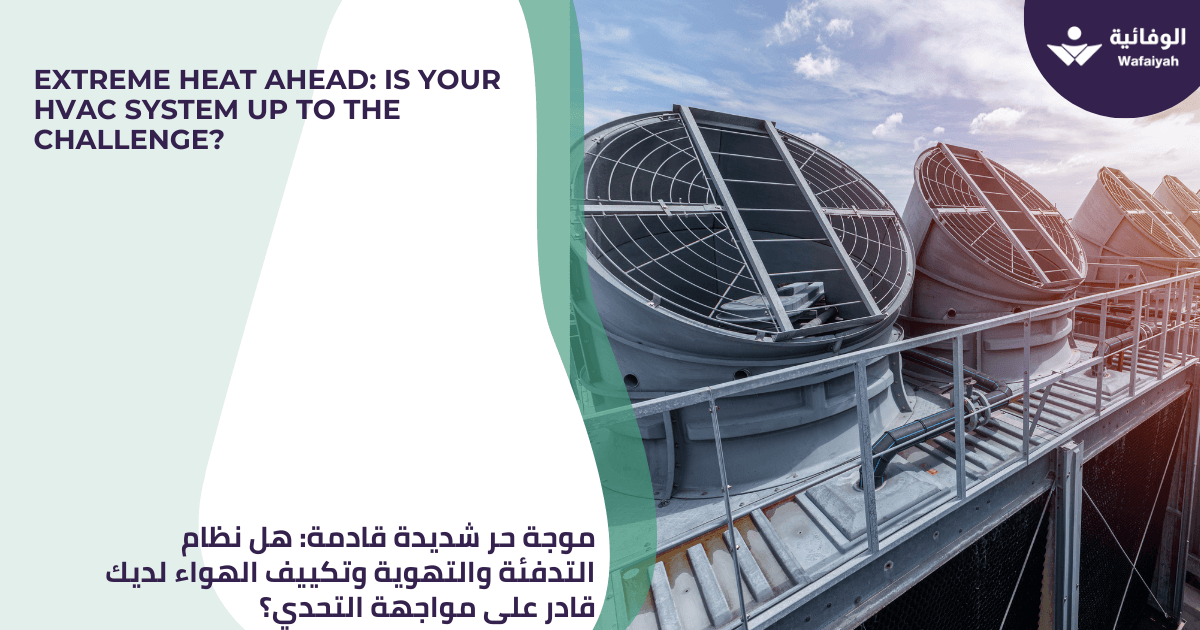
Rising temperatures are no longer a distant concern; they are a seasonal reality for homes and businesses across many regions. As heat waves grow stronger, dependable cooling becomes critical for comfort, safety, and daily productivity. HVAC systems often face their greatest strain during these periods, and unprepared systems can quickly lead to discomfort or unexpected costs. Preparing early through maintenance and smart system planning helps avoid disruption. At Wafaiyah, we believe proactive HVAC care keeps spaces comfortable and ready for hotter days.
Impact of Extreme Heat on HVAC Systems
Extreme heat causes a lot of pressure on systems, and in most cases, it leads to lasting overworking of the systems. Once the weather becomes extremely hot outside, air conditioning systems are forced to operate day and night to ensure comfort in the home. This continuous load has the potential to put pressure on compressors, consume more energy, and wear out vital parts faster.
In the long run, overheating can decrease productivity and decrease the overall lifespan of the equipment. Businesses and homeowners can also observe an increase in utility rates or inconsistent cooling. HVAC allows the owners of the property to take the necessary preventive measures in time and can guarantee quality cooling even on the hottest days.
Warning Signs Your HVAC System May Not Be Ready
Inconsistent Cooling Throughout Space
Uneven cooling is one of the first symptoms of system problems. Some of the rooms can be comfortable, and the rest are warm or humid. This imbalance usually indicates that there are airflow obstructions, ageing parts or a decrease in system efficiency, which is to be handled before the temperatures increase further.
Unusual Noises During Operation
The unit may have mechanical stress indicated by grinding, rattling or buzzing. These sounds can be caused by old bearings, loose components or straining motors. The failure to attend to them may cause more severe failures in the event the system is forced more when the heat becomes extreme.
Rising Energy Bills Without a Clear Reason
When the electricity price starts to increase, and the consumption pattern has not changed, then the system is potentially losing its efficiency. Stressed parts demand higher power to provide equivalent cooling, and this can be directly traced on the monthly utility bills.
Weak or Limited Airflow
A low airflow through vents can be a sign of blocked ducts or clogged filters, or a defective blower motor. Restricted airflow prevents the system from distributing cool air in the most efficient way. Hence, the unit will have to work longer cycles and put additional stress on essential parts.
Frequent Cycling On and Off
Short cycling is the process in which a system starts and stops within a short duration. This trend could indicate thermostat problems, overheating elements or refrigerant imbalances. Unaddressed, it may hasten the process of wear and undermine the reliability of the system.
The Importance of HVAC System Maintenance Before Heat Waves
The maintenance is particularly significant due to extreme heat. Technical inspection enables the technicians to detect the worn parts, refrigerant damage, or airflow obstructions before they become very serious. Coil cleaning, filter replacement, and electrical connections are some of the activities in cleaning the system to ensure that it runs efficiently under heavy demand.
Preventive maintenance will also enhance the comfort of the indoors by making the airflow and cooling performance steady. The best thing is that it minimizes the chances of having an abrupt system breakdown at the time when the summer season is in full bloom. Thus, commercially, repair services are commonly in high demand, and no downtime is good at all, particularly when it comes to homes or businesses.
Smart Energy Efficiency Tips for Handling Extreme Heat
Optimize Thermostat Settings
Programming the thermostat to be several degrees above the peak heating hours can help greatly in putting strain on systems. Smart or programmable thermostats allow one to maintain comfortable temperatures and reduce energy use. Minor modifications during the day contribute to the equilibrium between comfort, efficiency and the performance of equipment in the long run.
Improve Building Insulation
Adequate insulation will ensure that the air being cooled does not escape and undesirable outdoor heat does not penetrate the building. Insulation can be improved on attics, walls and windows where one can notice a difference. The system has increased efficiency because it stabilizes the indoor temperatures, thus working less often.
Replace or Clean Air Filters Regularly
Air filters are important in ensuring that there is airflow and indoor air quality. In a case where filters are blocked by dust and debris, the system would need to exert greater force to force air along the ducts. The replacement or cleaning of filters will assist in maintaining consistent airflow and reducing the strain that is not necessary.
Using Window Coverings During Peak Sunlight
Direct sunlight into the windows may cause the indoor temperature to increase tremendously. The use of blinds, curtains or reflective covers on the windows helps in reducing the amount of solar heat that enters the house during the hottest days of the year.
Seal Air Leaks Around Doors and Windows
Minor cracks around the doors, windows and ducts enable the escape of cooled air and the intake of hot air. Caulking or weatherstripping of these cracks will aid in keeping the indoor temperatures constant. The system produces fewer cycles by avoiding wastage of energy, thereby achieving better efficiency.
Right Time to Upgrade Your HVAC System
Understanding how and when to upgrade the system would allow for preventing continuous inefficiencies and unanticipated breakdowns. The old units, particularly those that are more than ten to fifteen years old, are usually not able to meet the modern cooling requirements. Repair work and fluctuating inside temperatures, increasing energy bills are some of the frequent signs that replacement can be a more effective solution.
Recent HVAC system are more efficient in terms of energy consumption, less noisy, and more precise in the control of temperatures. By investing in an updated system, comfort is improved. In the same way, long-term operating expenses are reduced, and the system offers reliable operation even in the conditions of a hot summer.
Conclusion
Extreme heat is becoming a regular challenge, making HVAC readiness more important than ever. A well-maintained system helps prevent unexpected breakdowns, rising energy costs, and indoor discomfort during the hottest days. Wafaiyah encourages proactive preparation to keep homes and workplaces comfortable when temperatures rise.
How does extreme heat affect HVAC systems?
Extreme heat makes systems run longer, increasing energy use, lowering efficiency, and causing more wear on components like compressors and fans.
How often should HVAC systems be maintained?
These systems should be professionally maintained at least once a year, ideally before summer, to ensure efficient cooling and prevent breakdowns.
What are the signs that an HVAC system is failing?
Signs include weak airflow, inconsistent cooling, unusual noises, frequent cycling, and rising energy bills.
Can insulation improve HVAC performance?
Yes, proper insulation prevents cool air loss, maintains indoor temperature, and reduces system workload during extreme heat.