

Commercial HVAC systems are essential for maintaining comfortable, healthy, and productive indoor environments across offices, retail spaces, hospitals, and industrial facilities. Implementing a preventive HVAC maintenance program helps improve energy efficiency, extend equipment lifespan, minimize unexpected breakdowns, and reduce costly repairs. In Saudi Arabia, Wafaiyah is a trusted contractor providing comprehensive HVAC design, installation, commissioning, maintenance, and energy-efficient solutions tailored to the needs of commercial buildings.
To ensure the comfort, safety and energy efficiency of commercial buildings, regular maintenance is necessary. A proper operating system ensures reliable heating and cooling, which promotes employee productivity and customer comfort. Regular checks will detect minor problems before they become costly repairs or unplanned breakdowns. Properly functioning parts and balanced airflow can further reduce dust and allergens and enhance indoor air quality.
Scheduled maintenance can help to save energy and therefore reduce monthly utility bills. It also improves the longevity of the equipment, postponing its replacement costs. Adhering to a maintenance plan can help business owners safeguard their investment, prevent disruptions, and maintain the reliability of their systems throughout the year.
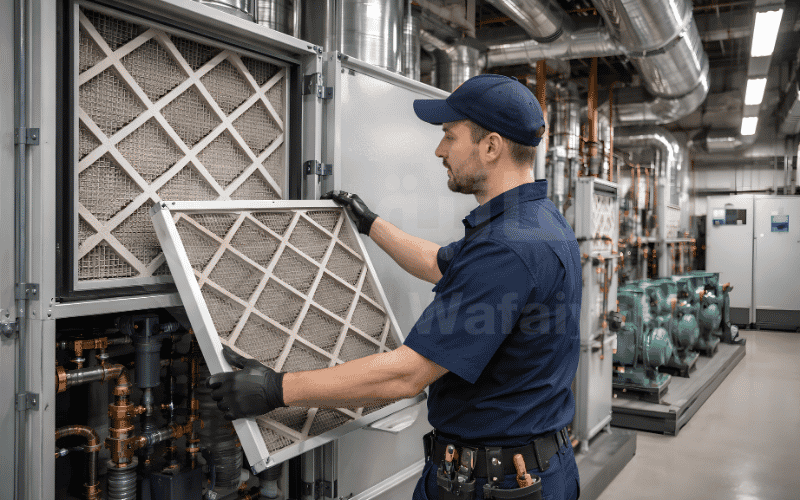
Replace or Clean Air Filters Regularly
Air filters catch dust, dirt and other airborne particles that may hinder airflow. Following the filter replacement and cleaning schedule helps the system run more efficiently, improving indoor air quality and reducing unnecessary wear and tear on components, keeping the equipment functioning throughout the year.
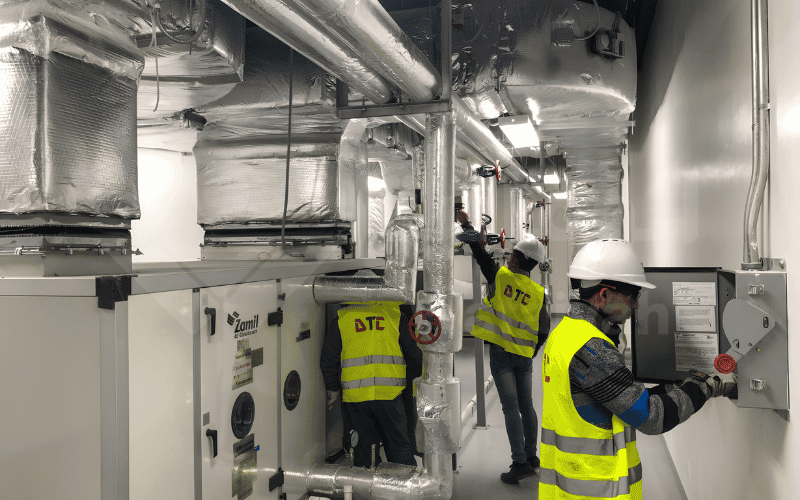
Inspect and Clean Air Ducts
Dirty air ducts not only can spread dust but also can cause a loss of airflow over the building. Frequent inspections and cleaning ensure high indoor air quality, better heating and cooling efficiency and reduce the dispersion of contaminants in the work environment, which makes the workplace healthier for all involved.
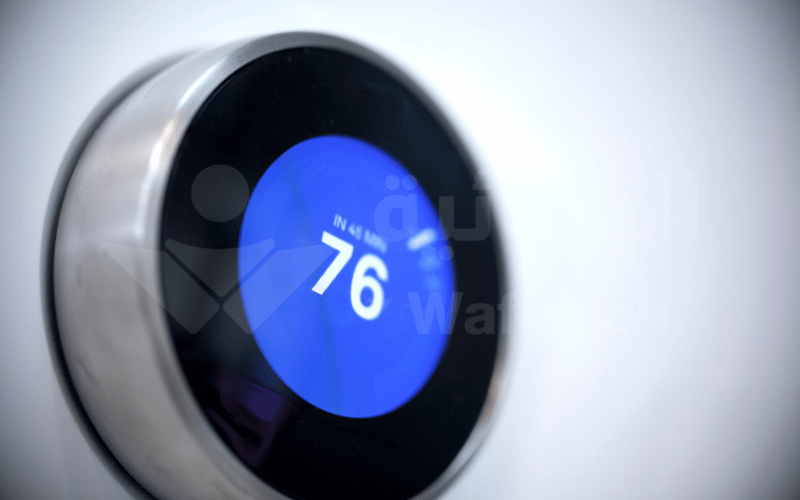
Check Thermostat Accuracy
The thermostat regulates the temperature and maintains it at a comfortable level inside. Testing thermostat settings will ensure that the unit responds appropriately to help manage the desired building temperature while not wasting energy and adding strain on the heating and cooling equipment.
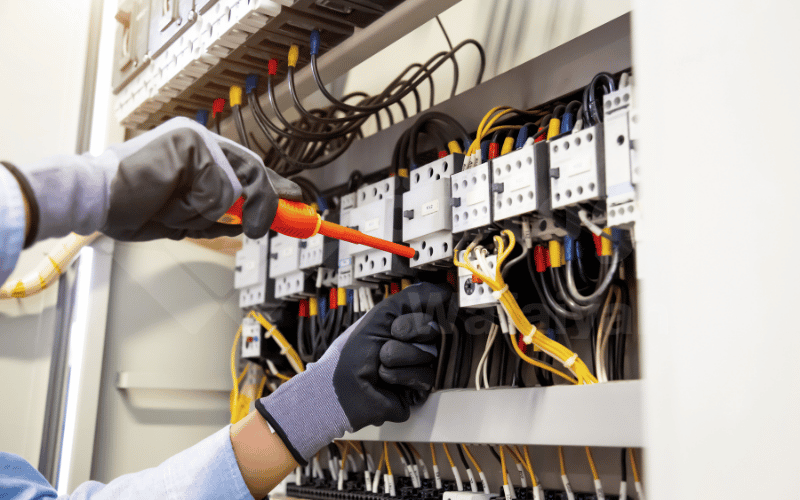
Examine Electrical Connections
Faulty or loose electrical connections may impact the performance of the HVAC and cause electrical hazards. By conducting regular inspections, you can effectively identify worn wires, loose terminals, or faulty components before they become a serious problem, minimizing the risk of unexpected downtime and costly emergency repairs.
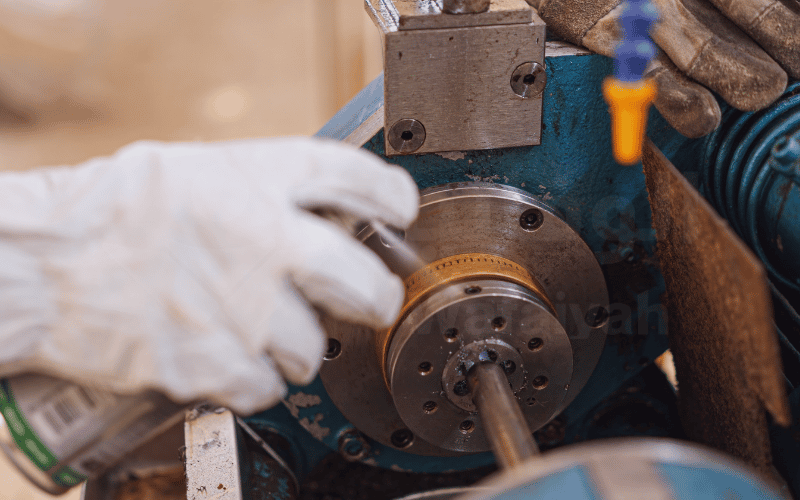
Lubricate Moving Components
Moving components such as motors, bearings, etc need to be properly lubricated to minimize friction. By regularly lubricating, one can help to prevent the unnecessary wearing of parts, reduce energy use, reduce noise during operation, and increase the life of critical parts, which will also help the system run reliably.
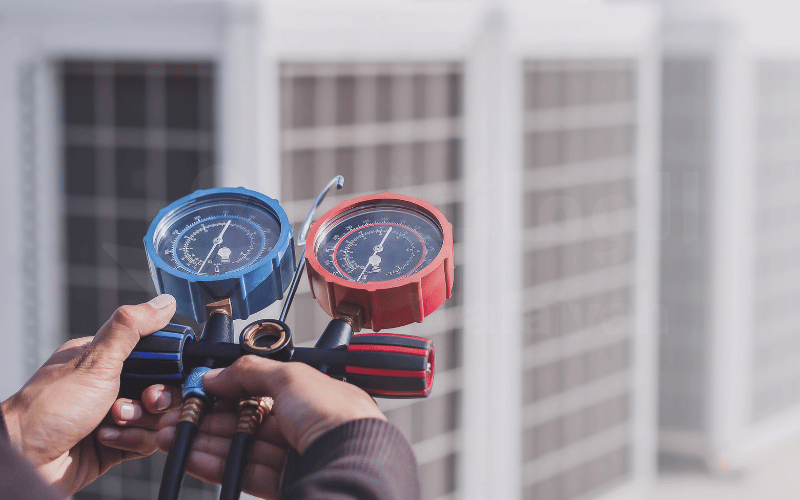
Inspect Refrigerant Levels
Proper refrigerant charge is essential for good cooling efficiency. A reduction in cooling capacity due to low refrigerant may increase energy consumption. Regular checks can identify leaks at an early stage, preventing them from causing any discomfort, loss of efficiency or long-term damage to the system.
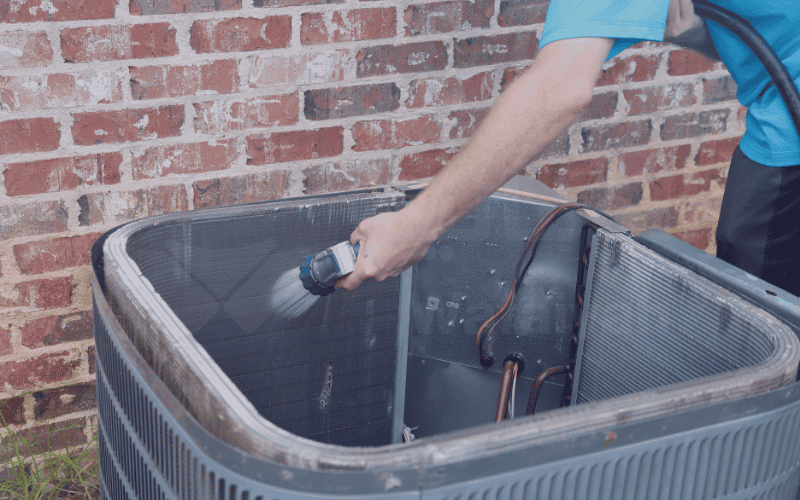
Clean Coils and Condensate Drains
Coils of the evaporator and condenser must be kept clean for efficient heat transfer. Clean coils and drain condensate drains to help your cooling system perform better, maintain water integrity, lessen the chance of mold growth and enable it to run more efficiently all year long.
Uneven Heating or Cooling
If there are still some areas that are very hot while others are very cold, there is a problem with the airflow, a blocked duct or broken parts of the HVAC. Early detection of these problems can restore the comfort that the equipment has and avoid further damage.
Higher Energy Bills
When bills for energy services skyrocket without any adjustments to the building’s usage, this can be a sign of poor performance. The accumulation of dirt in the filters, worn parts, or poor system performance can result in the equipment having to work harder, which leads to higher energy usage and operating costs.
Unusual Noises During Operation
Listen for any grinding, rattling, banging or squealing noises; these sounds can indicate that something is loose or worn within the system. If it’s caught early, it will help fix the issue and avoid a complete breakdown or major repair.
Weak Airflow from Vents
Inadequate ventilation may cause discomfort and decrease the efficiency of the system. It can be caused by clogged filters, blocked ducts or faulty fans. Periodic maintenance ensures proper airflow, greater comfort and system efficiency.
Frequent System Cycling
A system that is on and off frequently could be due to thermostatic problems, dirty parts, or mechanical malfunctions. These problems are avoidable with regular maintenance, which will ensure that the interior is kept at a comfortable temperature and the building is energy efficient.
Follow a Regular Maintenance Schedule
Regular equipment maintenance ensures optimal performance. Routine maintenance helps minimize unscheduled downtime, increases system performance reliability and reduces repair expenses, as well as maintaining a comfortable indoor environment all year round for staff, customers and visitors.
Keep Air Vents and Registers Clear
Furniture, boxes or equipment that block vents can allow for less airflow and less efficiency. Vents should be open and unobstructed to ensure proper air circulation for comfort and minimize unnecessary work on the heating/cooling system.
Use Programmable Thermostat Settings
The temperature is adjusted according to the working hours to avoid waste of energy. Programmable thermostats automatically control building temperature during its occupied hours, and conserve energy during periods of low occupancy, such as evenings and weekends.
Seal Air Leaks Around the Building
Sealed doors, windows, and other openings prevent air from escaping, causing systems to have to work harder. These gaps can be sealed to enhance energy efficiency, retain indoor temperature and save heating and cooling expenses throughout the year.
Train Staff to Report HVAC Problems Early
Employees are often one of the first to notice changes in temperature, sounds or airflow before any serious problems arise. When maintenance staff report issues as soon as they occur, they can resolve issues promptly, avoiding expensive repairs, limiting downtime, and ensuring systems operate smoothly throughout the building.
Frequently Asked Questions
What are common signs of HVAC problems?
Unusual noises, poor airflow, uneven temperatures, unpleasant odors, water leaks, and increased energy bills indicate potential maintenance needs.
Can regular maintenance reduce electricity costs?
Clean components and properly functioning equipment consume less energy, improving efficiency and significantly lowering monthly electricity expenses for businesses.
What components are inspected during maintenance?
Technicians inspect filters, coils, refrigerant, motors, electrical connections, thermostats, fans, ductwork, condensate drains, and all essential safety controls thoroughly.