

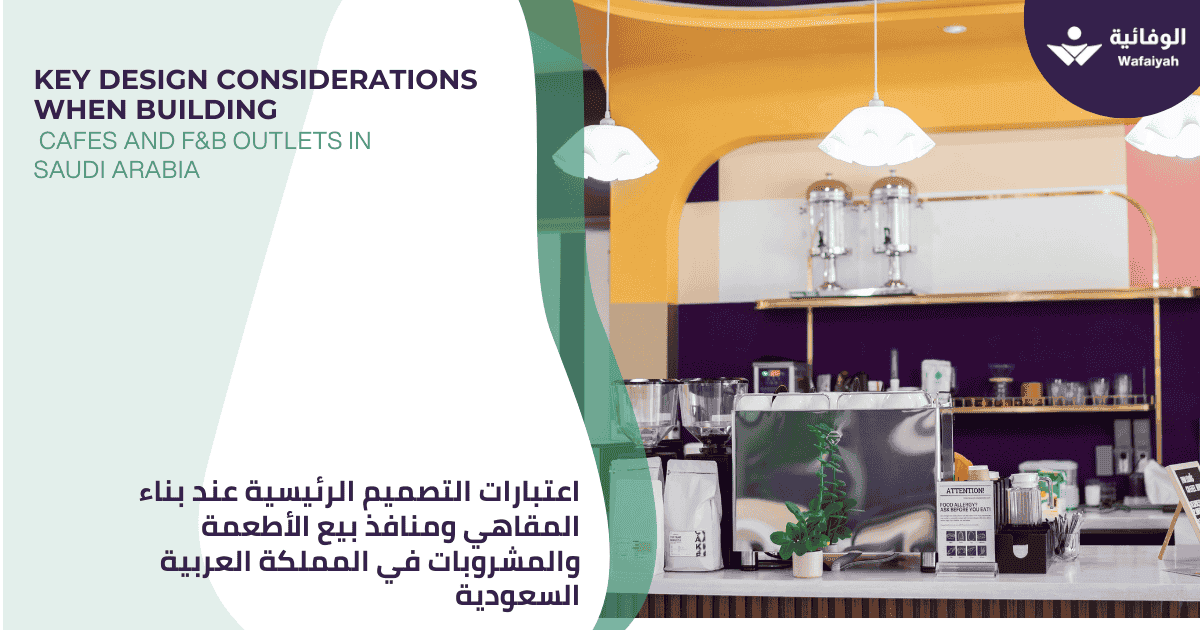
Saudi Arabia’s food and beverage sector is growing at a fast pace, shaped by new lifestyles and changing customer habits. Vision 2030 is a key driver, supporting tourism, hospitality, and mixed-use developments across the Kingdom. This growth has increased demand for experiential cafes, specialty coffee shops, and strong F&B brands. In this competitive market, thoughtful design matters. Smart layouts help attract guests, support smooth operations, meet local rules, and build lasting brand value, as seen in projects delivered by Wafaiyah across the Kingdom today and beyond.
In recent years, the popularity of cafes and F&B outlets in Saudi Arabia has increased tremendously. This happened due to shifts in lifestyle, urbanization, and the existence of a young population. Vision 2030 has promoted the idea of entrepreneurship, tourism, and social spaces, with cafes and restaurants becoming a central part of everyday life. The malls, mixed-use projects, and residential compounds are becoming more popular places to implement F&B ideas and involve people in the community.
The culture of coffee, especially, has turned into a powerful trend as international brands as well as domestic ideas have flourished. Also, there is an emerging need to have an exceptional dining experience are contributing to the further growth of cafes and F&B restaurants in large cities in Saudi Arabia.
Significant Factors When Building Cafes and F&B Outlets in Saudi Arabia
Location and Market Fit
The selection of a suitable location determines the number of footfalls daily and sales in the long term. Research local offices, households, shopping centers and traffic. Combine the cafe style and regional taste, comfort of prices, and spending. Convenience, parking and visibility contribute towards attracting repeat customers. This mitigates risk and helps with long-term growth in the area.
Cultural and Social Consideration
The Saudi culture has a sense of privacy, family comfort, and respectful service. Group, family and single seating design. Give definite areas where they are necessary. Low-key lighting, soothing colors and simple designs are friendly. All the guests should have their staff behaviour and service flow considering the local practices and routines on weekends, prayers, and evenings.
Approval and Regulatory Requirements
Knowledge of local regulations is time and money-saving. Obtain permits from municipalities, civil defense and food authorities. Adherent to safety, hygiene and fire standards. Early approval planning eliminates the delays during fit-out. Enlist the services of seasoned consultants to handle the documentation, inspections, and final clearances without any undue stress and pressure on finances in the field.
Brand Identity and Concept
The brand concept is well conceptualized and will be used to guide all the designs. Be clear on your story, menu style, and target guests. The logo positioning, colors, and materials to be used, and music should be in line. A well-developed identity creates a recollection and confidence. Spatial consistency, service consistency and packaging consistency enhance brand value and help in marketing both digitally and physically within a geographical area.
Space Planning and Layout
Smart space planning is to enhance comfort and operations. Control the number of seats and space between staff and guests. Design kitchen, counter and storage. Unknown routes cause delays and mistakes. The flexible layouts can be changed during peak hours, events and future expansion without the expense of having to rebuild or even interrupt services in the future of the operations.
Selection of Material and Strength
Select heat, traffic, and cleaning materials. The requirements of the Saudi climate include long-lasting finishes and simple maintenance. Furniture, floors, and counters are supposed to wear out with heavy use. Good materials minimize the costs of repair. They also maintain the space clean, safe and attractive for longer durations as well as sustaining the day-to-day operations and brand image steadily.
Lighting and Ambience
Lighting influences the mood and duration of stay of the customer. Seat lighting should be warm, and work zone lighting should be bright. Natural lighting is comfortable and energy-saving. The feeling is complete with balanced sound, scent and temperature. A relaxing atmosphere promotes increased tourist stay and expenditure throughout the seasons and daily working hours.
Kitchen Equipment and Design
A fast and good kitchen is efficient. Architecture of menu, number of staff and safety. Appropriate ventilation, drainage and power points are essential. Choose equipment that is effective and economical in terms of size and output. Effective kitchen planning leads to a decrease in waste and stress, delays in serving, as well as adherence to hygiene regulations and inspection criteria without jeopardizing it.
Staff Comfort and Workflow
The comfort of the staff has a direct influence on the quality of the service. Have effective work zones, resting areas and safe movement paths. An effective working process minimizes burnout and errors. When the employees feel encouraged, service becomes friendlier and quicker. This results in improved reviews, repeat customers and retention of staff during peak shifts and extended working hours per day.
Budget Management and Future Development
Budget transparency helps to keep the project healthy. Design, fit out, equipment, and approvals costs. Overdesign is a bad idea. Increase room to upgrade and expand. The value of smart spending today helps to smooth growth and changes, and increase future profits with brand value protection and long-term investor confidence on the local scene.
Challenges and Common Design Mistakes to Avoid
Building cafes in Saudi Arabia brings unique challenges. Lack of proper planning will result in delayed approval, overrun budgets and unhealthy customer traffic. Some of the major pitfalls are failing to respect the local culture, duplicating foreign designs, and failure to estimate the kitchen requirements. Poor lighting, uncomfortable seating and poor storage implies damages comfort and service speed. Ignoring the expert advice will lead to rework and cost wastage.
The other problem is the option of selecting inexpensive materials that wear out easily. Lack of proper planning of staff workflow adds mistakes and pressure. To prevent these issues, engage professionals at the early stage, adhere to rules, layout tests and design keeping guests and employees in mind. This will save money and time, developing stronger, sustainable food businesses within the cities and expanding market conditions in KSA.
Conclusion
Designing successful cafes and F&B outlets in Saudi Arabia requires precise planning, strong market knowledge, and respect for local culture and rules. Good design supports daily operations, strengthens brand identity, and improves customer experience. Working with Wafaiyah helps businesses invest wisely and grow with confidence as the Kingdom’s F&B scene continues to evolve.
Frequently Asked Questions
What approvals are required for F&B outlets in Saudi Arabia?
F&B outlets typically need approvals from municipalities, Civil Defense, and SFDA, covering health, safety, fire protection, and operational compliance.
How does climate affect cafe design in Saudi Arabia?
Extreme heat influences material selection, HVAC design, insulation, and outdoor seating strategies. Each of them ensures comfort, durability, and energy efficiency year-round.
Is sustainability important for cafes in Saudi Arabia?
Sustainability helps to reduce operating costs, support environmental goals, and align with modern consumer expectations and Vision 2030 initiatives.
What role does interior design play in cafe success?
Interior design shapes customer experience, reinforces branding, improves comfort, and directly influences dwell time, repeat visits, and overall profitability.