

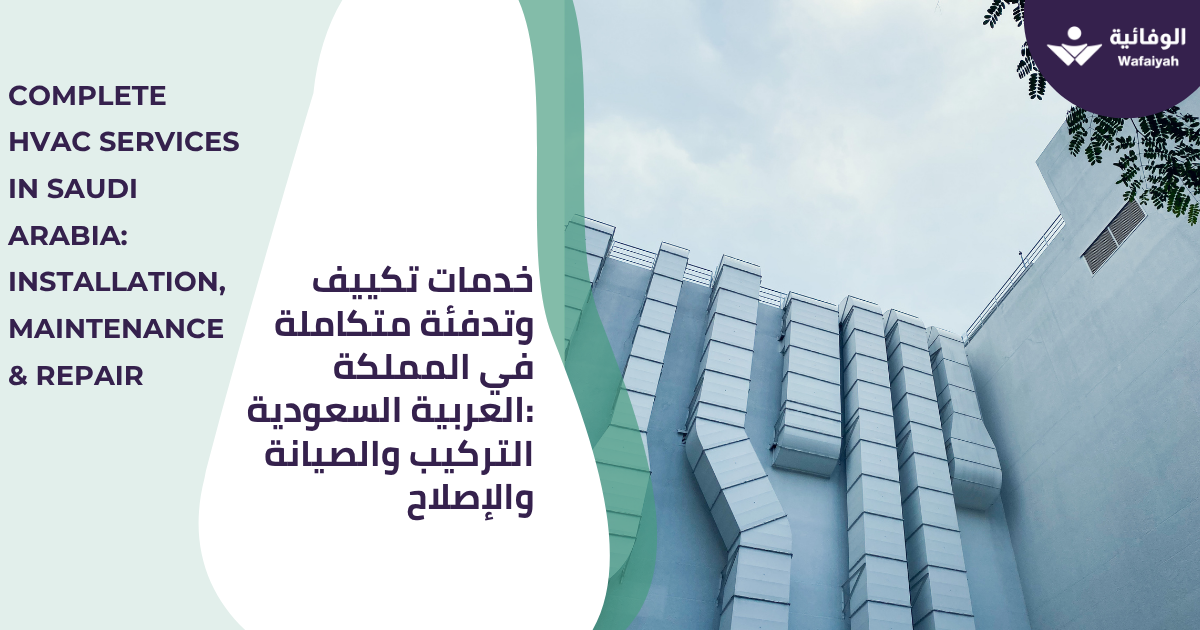
HVAC (Heating, Ventilation, and Air Conditioning) systems control indoor temperature, airflow, and air quality. In Saudi Arabia, extreme summer heat often exceeds 45°C, with dust, humidity changes, and indoor air quality issues. This creates strong demand for HVAC services across residential, commercial, and industrial sectors. Trusted platform Wafaiyah provides end-to-end HVAC solutions to deal with installation, better maintenance, and proper repair solutions. This article covers all the basics of system installation, maintenance, repair, and selection insights.
Site Inspection and Requirement Analysis
The installation process starts with a detailed site inspection to gain an understanding of the building layout, usage, occupancy load, and environmental conditions. Space availability, ventilation requirements, and energy requirements are assessed by engineers. This stage makes sure that the system is of a proper size and configured for efficient heating, cooling, and air distribution performance.
System Design and Engineering Planning
During this stage, engineers create more specific system designs, such as load calculations, duct routing, airflow distribution, and equipment placement. Energy efficiency, safety, and building codes are taken into account. Before installation work starts in the field, proper planning can guarantee a balanced temperature control system, a minimum of energy loss, and optimum system performance.
Equipment Selection (Brands, Capacity, Efficiency Rating)
The appropriate equipment is chosen depending on the calculated load and the budget of the project. This involves selecting air conditioners, chillers, compressors, and air handling systems in the right size and with high energy efficiency ratings. Reliable brands are chosen to ensure reliability, lower maintenance needs, and optimal performance across different environments.
Installing Ductwork and Insulating it
Ductwork is used to evenly spread conditioned air around the building. The alignment, sealing, and sizing are essential to prevent air leakage and pressure loss. Insulation is added to ducts to minimize thermal losses and prevent condensation. This step will allow for efficient airflow, better system performance, and reduces overall energy use.
Testing, Calibration and Commissioning
Once installed, the system is thoroughly tested to ensure proper airflow, temperature regulation, and pressure balance. Calibration makes sure all components work within their design specifications. Commissioning is the final process of adjustments, safety testing, and performance validation. This step ensures that the system is operational, efficient, and suitable for regular use.
Importance and Need of Regular Maintenance of HVAC System
Importance of Regular Maintenance
In the harsh Saudi Arabian climate, regular maintenance is crucial for optimal performance. It also allows for the prevention of wear and tear, which extends the lifespan of the system and can help keep indoor air quality high by having clean filters and ducts. Regular maintenance helps to minimize unscheduled failures that can interfere with comfort and activities. Also, systems that are well-maintained are more efficient and can help to reduce overall energy use, which can lead to cost savings over time.
Preventive Maintenance Services
In Saudi Arabia, preventive maintenance services prioritize routine checks to guarantee year-round optimal operation. The regular maintenance can be carried out on a monthly, quarterly or annual basis as per the requirement of the system. Technicians clean the air filters and coils for efficient airflow and heat exchange. They also monitor refrigerant levels and review electrical components to avoid failures and provide safe operation and reliability of all HVAC systems efficiently.
Seasonal Maintenance Needs
With the drastic variations in weather conditions in Saudi Arabia, seasonal maintenance becomes very important in HVAC systems. Pre-Summer system checks to make sure that cooling systems are at their best before it gets hot outside. Maintenance activities after summer: cleaning and diagnostic testing for wear and system inefficiencies. In winter, adjust to maximize ventilation and humidity control. This will deliver energy efficiency, comfort, and consistent operation throughout the year.
Common HVAC Problems that Need Immediate Repair
Weak or No Airflow
There are several problems that can arise, such as low or no airflow caused by clogged air filters and duct blockages. You can also face malfunctioning blower motors, which can decrease the efficiency and comfort of the system. As a solution, change filters as needed, check ductwork for blockages, and service blower motors. Professional inspection can help to make sure that the system is running at its best and avoid future damage issues in a quick and effective manner.
Refrigerant Leaks
When a refrigerator starts leaking, cooling efficiency is lost, coils freeze, energy costs go up, and components are damaged over time. It is important to diagnose the leaks with expert diagnostic equipment, repair leaks, and refill refrigerant to manufacturer specifications to ensure maximum cooling. Regular maintenance will not only prevent recurrence but also greatly extend the life span of the system.
Thermostat Malfunctions
Inconsistent temperatures, short cycling, or no response from the system may occur due to thermostat wiring or sensor failure. Calibrate or replace the thermostat, inspect wiring connections, and make sure the thermostat is not near heat sources for accurate readings. With professional HVAC service, it’s possible to have systems operating at their peak once again in no time.
Strange Noises from System
If strange sounds such as banging, rattling, or squealing occur, there may be loose parts, motor problems, or debris inside the HVAC parts. It is important to lubricate moving parts and clean up debris. Check belts or bearings for wear and replace as necessary for quiet operation. In a timely repair, you avoid expensive breakdowns and the failure of the system altogether.
Frequent Cycling or System Overheating
Dirty filter, thermostat failure, or airflow restrictions cause frequent cycling and/or overheating, which lead to higher energy consumption and component wear. As a solution, change filters, adjust thermostat and clean ducts and vents to ensure efficient operation. Overall, regular maintenance will minimize strain and dramatically increase system life.
Conclusion
HVAC systems are essential in Saudi Arabia due to extreme climate conditions. Proper installation, regular maintenance, and timely repair ensure system efficiency. Professional service providers like Wafaiyah play a key role in delivering reliable HVAC solutions. Investing in quality HVAC improves comfort and savings.
Frequently Asked Questions
What are the most common HVAC problems in Saudi Arabia?
Common issues include refrigerant leaks, clogged filters, compressor failure, and reduced cooling efficiency due to dust.
How do I choose the right HVAC system for my home or office?
It depends on space size, energy efficiency requirements, budget, and cooling capacity needs. A professional inspection is recommended.
Can HVAC systems help reduce electricity bills?
Yes, modern energy-efficient systems and proper maintenance can significantly reduce energy consumption and electricity costs.