

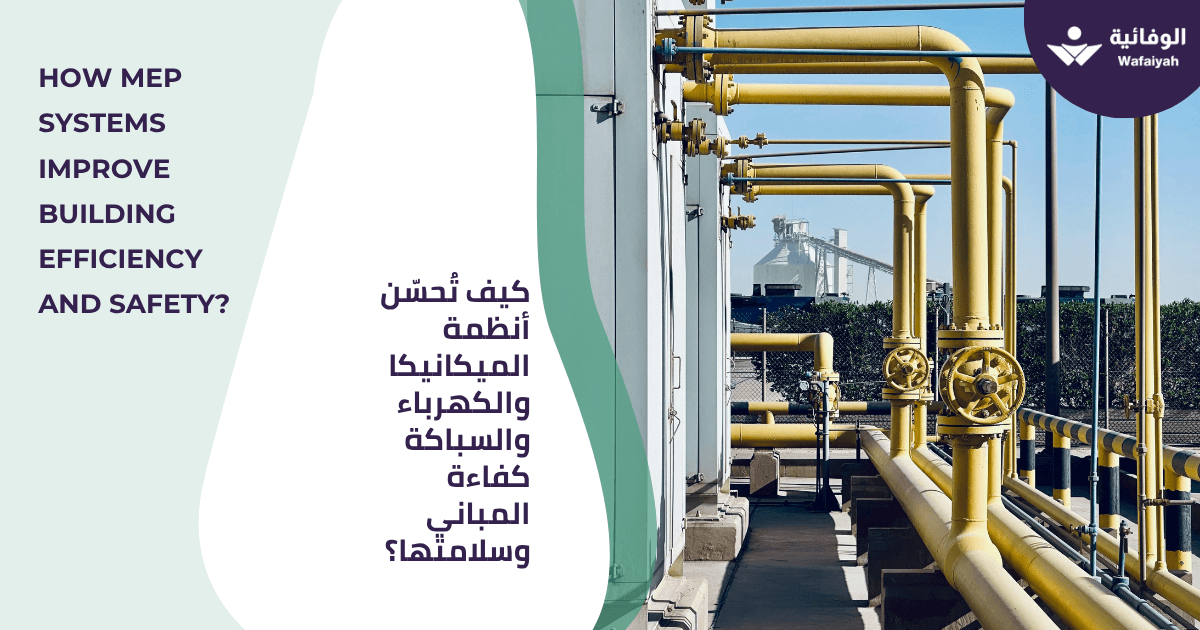
Modern buildings require strong infrastructure MEP systems to ensure safety, comfort, and energy efficiency. MEP engineering includes mechanical, electrical, and plumbing systems that support the smooth operation of residential, commercial, and industrial buildings. With the rise of sustainable construction and smart buildings, professional solutions have become more important than ever. These systems help reduce operating costs, improve occupant comfort, and meet safety standards. Wafaiyah, as a trusted platform, provides reliable integrated services for modern construction needs. This guide explains MEP systems benefits for buildings in terms of safety and better efficiency.
Better Energy Usage
MEP systems optimize electric, water, and fuel consumption in buildings. Smart lighting, efficient air conditioning, and modern plumbing systems minimize waste and decrease utility costs. The systems also benefit overall system performance by ensuring all heating, cooling, and power are operating as smoothly as possible throughout the building each day without interruption or issues.
Improved Indoor Comfort
The design of the MEP systems ensures that the indoor spaces are comfortable throughout the year. Heating and cooling systems keep the temperature correct, and ventilation enhances the quality of air. Lighting also makes a place more conducive to work, shopping, learning, or living. A comfortable building enables people to be productive, healthy, and happy every day.
Reduced Maintenance Costs
A good system is engineered to operate for extended periods of time with fewer breakdowns. When installed correctly and maintained properly, repair and maintenance costs are minimized. The building owner can save money because the equipment is more durable and efficient. This also prevents any unforeseen shutdowns, which can impact the building’s day-to-day running.
Smart Building Automation
Modern MEP systems are based on automation technology that allows light, temperature, ventilation, and water systems to be controlled automatically. Energy is used according to the occupancy and needs of the building, with the use of sensors and smart controls. This not only ensures efficiency and minimizes human error but also allows building managers to track performance effortlessly and decrease the costs associated with building operations annually.
Water Conservation and Management
Advanced plumbing designs, leak detection systems, and water-saving fixtures all contribute to the water efficiency of systems. All of this helps to save water and operate buildings sustainably. Waterproofing the property is also one way to avoid damage, thanks to the proper drainage and water management. By using water efficiently, you can save on your water bills and conserve precious water resources for future generations.
5 Smart Ways MEP Systems Improve Building Safety
Fire Protection Systems
MEP systems are designed to provide protection for life and property and include such things as fire alarms, sprinklers, smoke detectors, and emergency response systems. These systems rapidly identify fire or smoke and limit the damage by reacting quickly. Good fire protection makes buildings safer and enables people to safely evacuate in emergencies, without confusion or delay.
Safe Electrical Distribution
MEP systems will ensure safe power distribution around the building. Correct wiring, grounding, and circuit protection minimize electric shock, overload, and short circuit hazards. Having reliable electrical systems also means that critical equipment will continue to function in emergencies, keeping occupants, employees, and building operations safe at all times.
Improvements in Healthy Indoor Air Quality
Dust, smoke, harmful gases, and airborne pollutants are excluded from the interior by the ventilation systems. Sanitized air flow creates a better quality of air, which helps to decrease health risks to the occupants of buildings. Good ventilation can also regulate humidity, avoiding the growth of mold and making the environment healthier. Comfort, health, and productivity depend on good indoor air quality every day.
Emergency Backup Systems
MEP systems also have generators and emergency lights for buildings during a power outage. They ensure key functions remain operational, such as lifts, security measures, and emergency exits. Safety during a crisis is enhanced by reliable back-up systems and the ability to safely move occupants, while minimizing panic, confusion, and operational delays during critical situations.
Building Block Systems & Services Safety
Good plumbing and drain designs in MEP systems prevent water from leaking, flooding, and contaminating. Safe water supply systems ensure clean water for drinking, cleaning, and sanitation. Good drainage will also preserve the structure of the building from water damage. These systems enhance sanitation, minimize health risks, and provide a safer and more hygienic environment for the occupants of the building.
Importance of Professional MEP Systems Design and Installation
Professional design installation is essential because it guarantees that all mechanical, electrical, and plumbing systems function safely and efficiently. Each system is carefully planned by experienced professionals based on building size, building purpose, and building safety requirements. Correctly installed systems will reduce energy losses, maintenance expenses, and system failures.
It also enhances the indoor comfort, air quality, and performance of the building. MEP systems services ensure that buildings comply with safety standards and government regulations. Experienced engineers and technicians are able to find the problem early and give an effective solution. Effective design extends the life of equipment, while promoting efficient daily operation in residential, commercial, and industrial buildings.
Industries and Buildings That Benefit from MEP Systems
Properly designed systems are useful to various industries and buildings. MEP systems are utilized in residential buildings for heating, cooling, lighting, water supply, and drainage. Electrical systems and ventilation systems are essential for ensuring the comfort and seamless functioning of commercial buildings like offices, shopping malls, and hotels. The medical equipment, clean air, and emergency power requirements in hospitals demand advanced systems.
For industrial machinery, for safety reasons, and for energy management, such systems are employed in industrial facilities. MEP solutions are also used at educational institutions, airports, data centers, and factories for reliable performance. Many buildings of various types and in different sectors benefit from efficient systems that increase efficiency, safety, comfort, and reliability in operation.
Future Trends in MEP Systems Beyond 2026
Smart technology, sustainability, and energy efficiency will be more of a focus for future MEP systems. Advanced automation systems for controlling lighting, heating, cooling, and water use will be used for buildings. AI and IoT technology will be used to enable real-time tracking of building performance and reduce energy waste. Modern buildings will increasingly be equipped with renewable energy systems like solar power and energy storage.
The use of green building designs and eco-friendly materials will continue to increase in significance. Future systems will also enhance indoor air quality, water saving, and overall building safety and security, as well as facilitating smarter and more sustainable city development around the world.
Conclusion
MEP systems play a key role in making modern buildings safe, comfortable, energy-efficient, and sustainable. Professional installation and regular maintenance also help reduce long-term costs and improve building performance. Businesses and property owners should invest in reliable MEP solutions for better results.
For trusted services, visit Wafaiyah today.
Frequently Asked Questions
Why are MEP systems important to building efficiency?
These systems enable the most efficient utilization of energy, boost comfort inside buildings, lower energy operating expenses, and contribute to sustainable building performance.
What are the benefits of MEP systems to building safety?
They improve safety by providing fire protection systems, efficient electrical distribution, ventilation, leak prevention, and emergency backup systems.
Which industries need professional MEP services?
Reliable systems are essential in commercial buildings, residential properties, industrial facilities, hospitals, hotels, schools, and retail centers.
What is the role of HVAC systems in lowering energy expenses?
Today’s HVAC systems employ energy-efficient equipment, smart controls, and automation to conserve unnecessary energy.