

Maintenance plays an important role in keeping business equipment, machinery, and facilities operating safely and efficiently. Organizations use different maintenance strategies to prevent failures and maintain smooth operations. Two common approaches are preventive and corrective maintenance, each with unique benefits and limitations. Choosing the right strategy can improve equipment lifespan, reduce costs, increase productivity, and enhance workplace safety. Wafaiyah provides professional facility management and maintenance solutions that help organizations minimize downtime, improve performance, and maintain efficient operations.
Two common methods for ensuring the proper functioning of equipment and systems are preventive maintenance and corrective maintenance. Preventive maintenance is dedicated to periodic checks, services, and repairs prior to the occurrence of any issues. It helps minimize unscheduled breakdowns, enhance safety, and prolong the life of equipment. Corrective maintenance is performed following the detection of a failure or problem to restore the normal operation of the machine quickly.
Corrective maintenance can come as a surprise and can result in additional repair expenses and losses of production time, whereas preventive maintenance can only be foreseen and therefore necessitate regular and planned investments. It is helpful to know the difference between these two so that your company can select the proper maintenance strategy. A balanced approach will deliver enhanced efficiency, minimize risk, and guarantee facilities, machines, and critical systems operate reliably.
Maintenance Approach
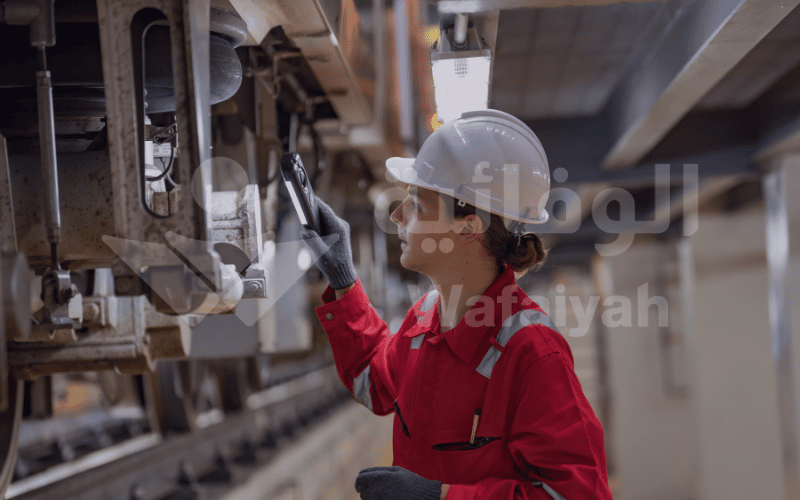
Preventive maintenance uses a planned schedule of maintenance, checking, cleaning, and servicing equipment to prevent potential failure. Corrective maintenance is a reactive maintenance, which starts when equipment fails or when there is a fault. Preventive methods are those that ensure that businesses are ready; corrective methods are those that address issues already present in businesses.
Timing of Maintenance
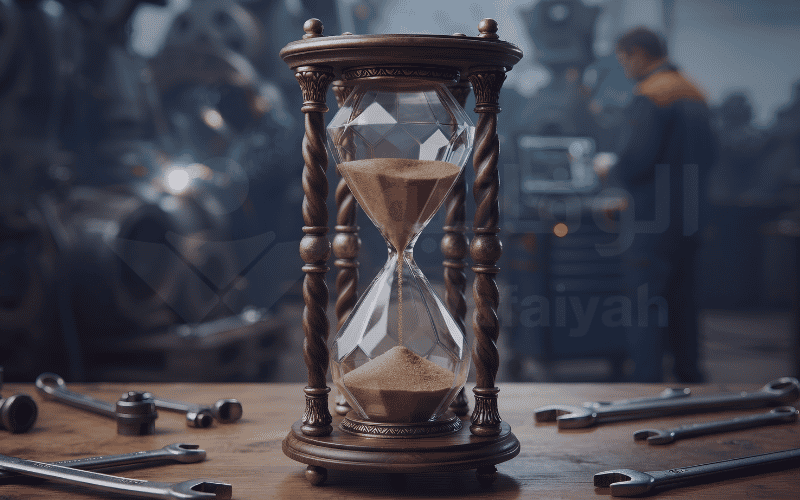
Another major difference between these two methods has been the matter of time. Preventive maintenance is carried out on a regular basis prior to a failure. Corrective maintenance is performed following failures. The sooner it is maintained, the less disruption it will cause, and the later it is repaired, the more downtime and costs it will incur.
Cost Considerations
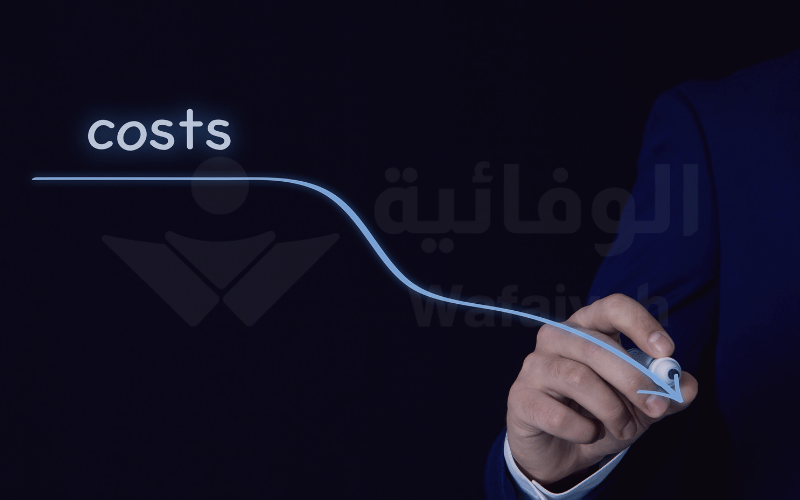
While it needs recurring investment in services, inspections, and tools, preventive maintenance can lower large repair expenses. While corrective maintenance might be cost-effective in the beginning, it is only performed when it is necessary. But if the costs of corrective maintenance are high in the long term, it is because the unexpected breakdowns, emergency repairs, and production losses occur over time.
Equipment Reliability
Preventive maintenance will help to ensure the reliability of the equipment, as it will allow you to catch small problems before they turn into major issues. Systems operate smoothly and safely with regular care. Corrective maintenance relies on the repair of equipment after failure. This can have a negative impact on reliability and generate recurring problems. Adopting a preventive approach helps to extend equipment life and performance.

Downtime Management
Preventive maintenance is one of the ways that downtime can be controlled by scheduling maintenance jobs during convenient time periods. Corrective maintenance will result in unplanned downtime as failures will occur without warning. Those companies that rely on equipment operation throughout the day would be better served by a preventive maintenance approach to reduce interruptions to their business operations.

Safety Impact
Preventive maintenance helps maintain a safe environment at work by helping to find problems before they can cause an accident and by keeping equipment in good condition. Sudden failure may occur during corrective maintenance, which might be a safety issue for workers and operations. Conducting regular inspections and prompt repairs ensures accidents are avoided, employees and others are protected, and working conditions are kept safer.
Business Suitability
The most effective maintenance strategy will vary in accordance with business requirements, the significance of equipment, and operational needs. Preventive maintenance is recommended for systems that might result in significant losses if they fail. Corrective maintenance can be effective for equipment that is less critical and has intermittent failures. A lot of companies opt for a mix of both approaches in order to achieve the best results.
Preventive vs Corrective Maintenance: Comparison Table
Feature | Preventive Maintenance | Corrective Maintenance |
Meaning | Maintenance performed regularly to prevent equipment failure. | Maintenance done after equipment breaks or stops working. |
Timing | Scheduled before problems occur. | Happens when a problem is detected. |
Main Goal | Reduce downtime and increase equipment life. | Restore equipment and fix existing issues. |
Cost | Usually, lower due to planned repairs. | Can be higher due to unexpected failures. |
Downtime | Less downtime because issues are avoided early. | More downtime because repairs are needed suddenly. |
Example | Regular inspection and servicing of machines. | Repairing a damaged motor after failure. |
The correct maintenance approach will be selected based on the type of equipment, business operations and budget. If the system is critical, preventive maintenance is typically preferred as it minimizes the likelihood of a breakdown, enhances safety, and extends the equipment’s useful life. But when an unexpected failure happens and repairs have to be made, corrective maintenance is required.
A balanced maintenance plan, which will use both types of maintenance, is often more effective for many businesses. By regularly reviewing, you can avoid large issues, and by taking corrective measures, you can deal with problems when they arise. By outsourcing to a professional maintenance provider, businesses can develop an appropriate strategy that will guarantee optimal performance, minimize downtime, and foster sustainability over time.
Preventive vs Corrective Maintenance: Key Challenges
There are different challenges that arise in both preventive and corrective maintenance, which businesses must take care of. Proper planning, regular inspections, the right technicians, and investment in scheduling systems are all needed for preventive maintenance. Regularly overdoing maintenance can result in unnecessary expenses and cause interruptions in business.
Unexpected equipment failures, extended downtime, increased repair costs, and decreased productivity can occur as a result of corrective maintenance. It can also be hard to purchase replacement parts or to make emergency repairs. It’s essential for businesses to strike a balance between the two to ensure smooth operations. Properly planned maintenance can minimize risk, cost, equipment issues, and provide a safer work environment. Optimizing preventive and corrective maintenance is key to reliability.
Frequently asked questions
What is the main difference between preventive and corrective maintenance?
Preventive maintenance is scheduled to prevent equipment failures. Corrective maintenance is performed after a fault or breakdown has already occurred.
Which maintenance strategy is more cost-effective?
Preventive maintenance is generally more cost-effective over time. It reduces unexpected repairs, downtime, and expensive emergency maintenance.
Can preventive and corrective maintenance be used together?
Yes. Most organizations use a combination of preventive and corrective maintenance to balance reliability, cost, and operational efficiency.
When is corrective maintenance needed?
Corrective maintenance is required when equipment fails, malfunctions, or needs repairs to restore normal operations.