

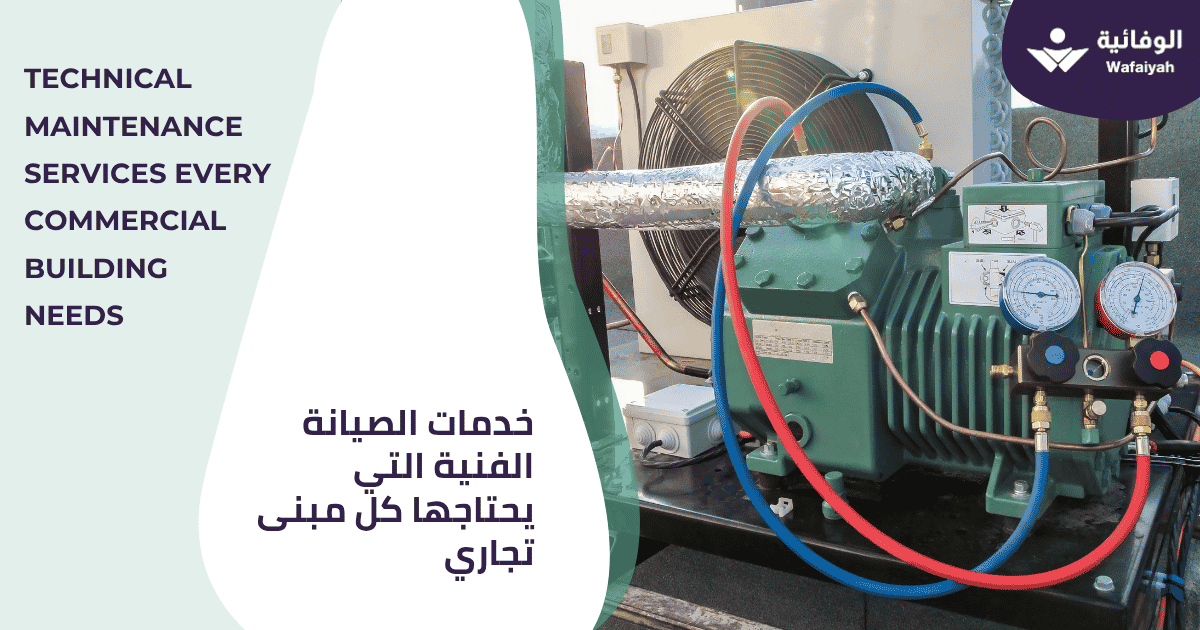
Commercial buildings require regular technical maintenance to operate safely, efficiently, and without unexpected disruptions. Proper maintenance helps prevent costly repairs, extends the lifespan of building systems, and creates a comfortable environment for occupants and visitors. Businesses, offices, shopping malls, hotels, hospitals, and industrial facilities all depend on preventive maintenance to keep daily operations running smoothly. Wafaiyah provides integrated technical maintenance services designed to protect commercial properties. This guide explains how technical maintenance helps to improve system performance, reduce downtime, and ensure every facility remains reliable throughout the year.
Technical maintenance is a vital component in the operation of any commercial building, ensuring that all systems operate safely and efficiently. It is important to conduct regular inspections to identify small issues and avoid costly repairs.
With proper maintenance, equipment breakdowns are also minimized, energy bills are reduced, and the useful life of valuable equipment is extended. When electrical, plumbing, and cooling systems are working properly, the environment is safer and more comfortable for employees, customers, and visitors. Good buildings also fulfill safety requirements and make a good impression on clients.
By implementing preventive maintenance, companies can minimize unplanned downtime, ensuring they can keep their operations running smoothly. Professional technical maintenance is a worthwhile investment in the long run. It is of real value in maintaining the value of the property, business performance, and the overall building functionality.
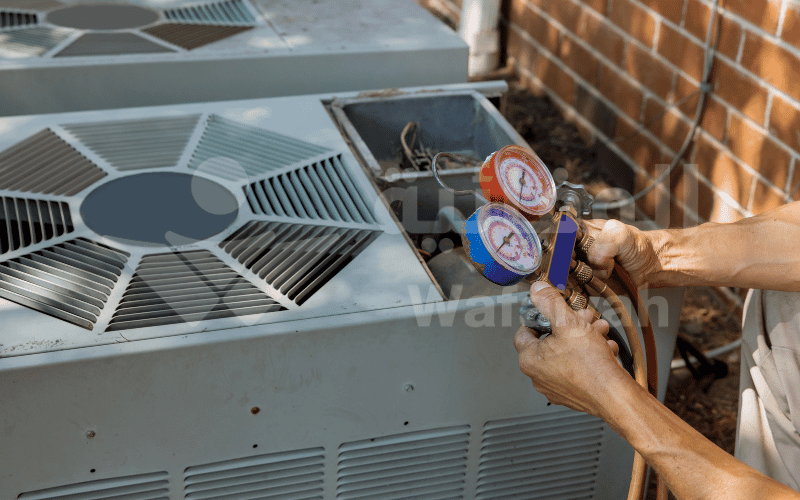
HVAC System Maintenance
Routine HVAC maintenance maintains the heating, ventilation, and air conditioning systems at peak performance all year long. Filters are cleaned, ducts are inspected, refrigerant levels are checked, and equipment is serviced to enhance comfort in the building and decrease energy use. It also promotes equipment reliability and extends the life of costly cooling and heating systems for businesses.
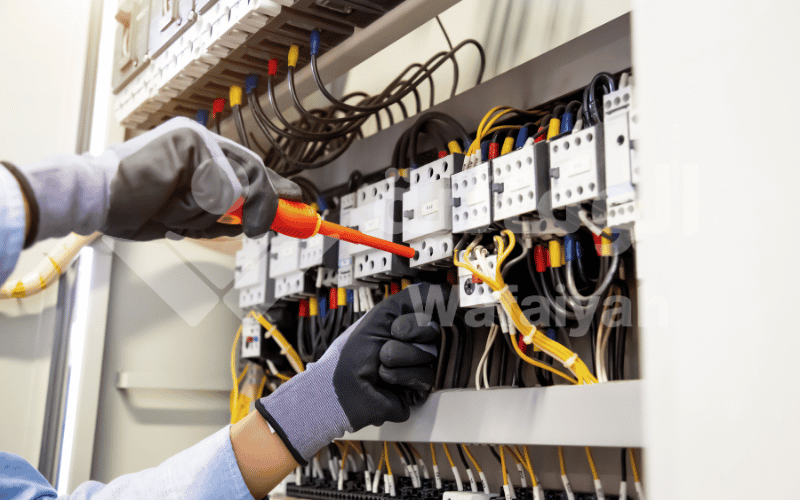
Electrical System Maintenance
Electrical maintenance keeps wiring, switches, circuit breakers, lighting, and distribution panels and boxes safe and reliable. Ongoing inspections detect faulty connections, overloaded circuits, and damaged parts before the issues become serious problems. Fire protection, power backup, and continuity of business operations are reduced risks every day from proper maintenance.
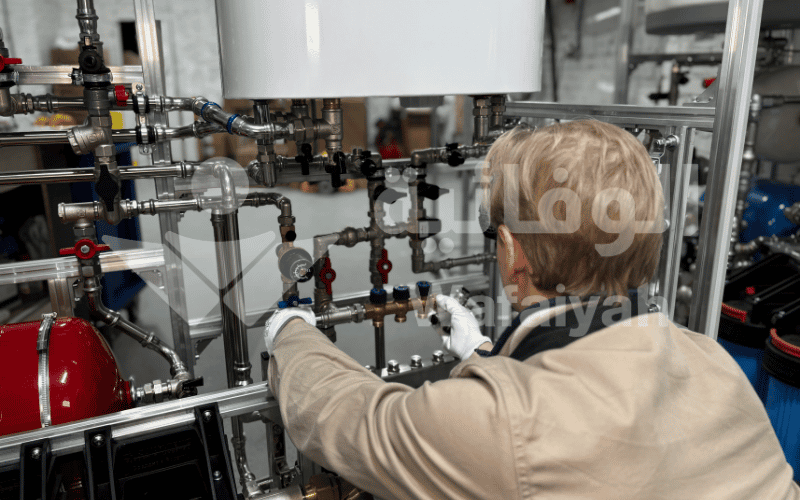
Plumbing System Maintenance
Regular plumbing maintenance helps keep the plumbing system free of leaks, clogged drains, water damage, and pipe failures. Pipes, fixtures, pumps, and water supply systems can be inspected for reliable performance. Proper repairs in early stages mitigate to a great extent additional damage and result in water savings, cleanliness, and continued smooth functioning of commercial buildings throughout all seasons.
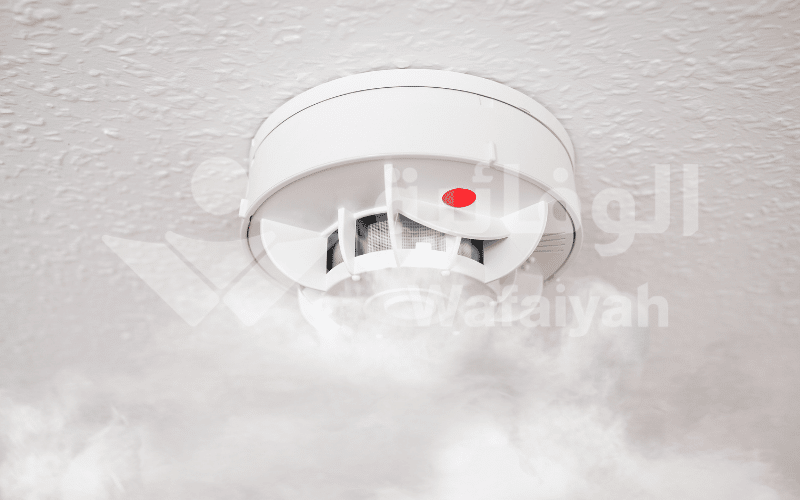
Fire Safety System Maintenance
Fire safety maintenance involves the regular inspection of fire alarms, smoke detectors, sprinklers and extinguishers, emergency lighting, and exit systems. If the servicing is done properly, then all the safety devices function during an emergency. Regular testing ensures legal requirements are met, it saves lives, minimizes property damage, and boosts the confidence of building users and visitors.
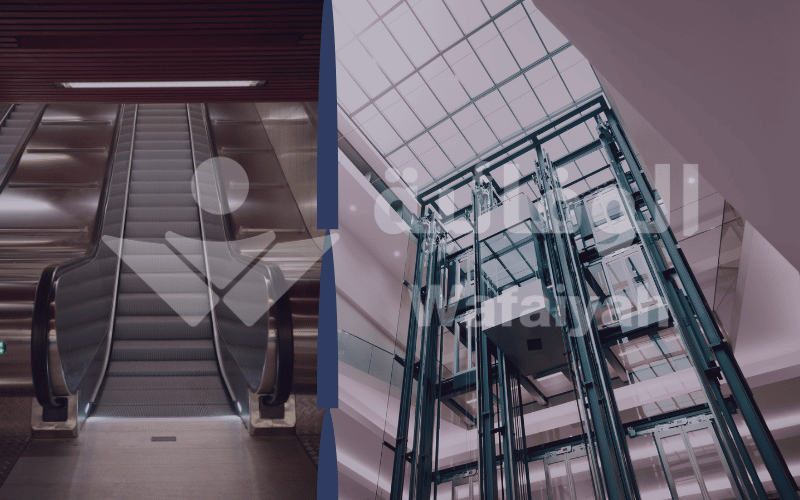
Elevator and Escalator Maintenance
Elevators and escalators are maintained regularly to ensure their daily safe, smooth,, and efficient operation. The periodic maintenance of inspection, lubrication, adjustments, and component replacement minimizes breakdowns and enhances the safety of the passengers. In a commercial building, clean equipment reduces service downtime, equipment life, and keeps everyone transported safely within the building.
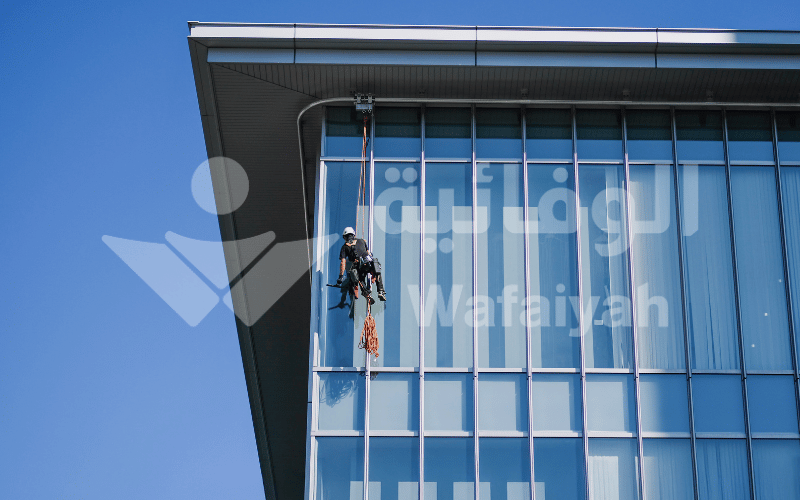
Building Exterior and Structural Maintenance
Roof, wall, windows, parking areas, and structural elements all need to be maintained in a commercial building. The periodic checks help to detect cracks, leaks, and damaged materials at an early stage. Watching repairs in time helps maintain the visual appeal of the building, enhances safety, increases the lifespan of the building and stave off the costly future structural issues.
Technical maintenance is essential to many businesses to ensure their buildings remain safe, efficient, and fully functional. Building interior walls and ceilings need to be connected to trustworthy electrical, cooling, and plumbing networks in order to carry out the tasks required for day-to-day business. To make shopping malls a pleasant place, they should also have working elevators, lighting, and air conditioning.
Continuous maintenance is essential for hospitals to keep patients safe and ensure the functionality of crucial medical equipment. Hotels require facilities that are well-maintained in order to ensure the comfort and satisfaction of their guests. Schools and universities must have safe structures that enable learning to take place without disruption.
Properly maintained equipment and utilities are a key component of warehouses and manufacturing facilities that operate smoothly. Proper technical maintenance is essential to all industries for minimizing downtime, increasing safety, managing operating expenses, and preserving precious business assets.
Frequent Equipment Breakdowns
When air conditioners, electrical systems, elevators, or plumbing systems have failed repeatedly, it means maintenance is needed. Regular repairs will result in higher operating expenses, interrupt daily operations, diminish employee productivity, and can even cause outright system failures if problems persist without the help of professionals and if they are not serviced in a timely fashion.
Rising Energy Bills
When bills unexpectedly rise, it’s a sign of poor building systems. Lack of clean HVAC equipment, leaking pipes, broken electrical components, or inadequate insulation causes systems to operate harder. These problems are discovered through regular maintenance, which also increases efficiency, decreases waste, and can save on monthly operating costs significantly.
Water Leaks and Moisture Problems
Any signs of water leaks, damp walls, stains on the ceiling, mold growth, or odors mean that there is a plumbing or roofing problem. Failure to address these warning signs could lead to structural issues, health problems, and costly repairs. Maintenance acts to reduce further deterioration and protect property and building occupants safely, and should be done immediately.
Unusual Noises or Safety Concerns
If you do hear strange noises coming from electrical panels, HVAC units, elevators or plumbing, they should never be ignored. Loose fixtures, damaged flooring, flickering lights, or cracked walls are also problems and need attention right away. Regular maintenance enhances safety, reduces the risk of accidents, safeguards equipment, and ensures seamless business operations on a daily basis.
Frequently Asked Questions
How often should commercial buildings undergo technical maintenance?
Most systems should be inspected monthly, quarterly, or annually, depending on the equipment type, manufacturer recommendations, and building usage.
Which building systems require regular maintenance?
HVAC systems, electrical installations, plumbing, fire protection systems, elevators, generators, water pumps, security systems, and building automation systems all require regular maintenance.
How do technical maintenance services reduce operating costs?
Routine maintenance improves energy efficiency, prevents major equipment failures, lowers repair expenses, and extends the life of costly building assets.
Why is regular technical maintenance important?
Regular maintenance improves safety, prevents breakdowns, reduces costs, and extends building systems’ operational lifespan.