

Saudi Arabia’s construction and infrastructure sector is expanding rapidly, transforming cities and creating demand for modern commercial, residential, and infrastructure projects. As development accelerates, sustainable construction has become increasingly important for efficient resource use, environmental responsibility, and long-term growth in line with Saudi Vision 2030. Wafaiyah, an integrated construction, MEP, and infrastructure contractor, has evolved from an MEP specialist into a broader construction partner aligned with the Kingdom’s sustainability goals.
Understanding Sustainable Construction in Saudi Arabia
Sustainable construction in Saudi Arabia is based on the principles of efficient resource use and minimizing environmental damage in the design, construction, and operation of buildings. It takes into account energy efficiency, water use, renewable energy, responsible use of materials, and waste reduction during a building’s life cycle. This is particularly significant considering the hot climate, the limited water reserves, and increasing urbanization in Saudi Arabia.
A green building will use less energy and water, be more cost-efficient, and create healthier indoor environments. The use of sustainable materials, energy-efficient cooling systems, solar energy, and smart technologies is becoming common in modern projects. These practices contribute to sustainable economic growth and conserving natural resources for future generations.
Key Sustainable Construction Practices in Saudi Arabia
Energy-Efficient Building Design
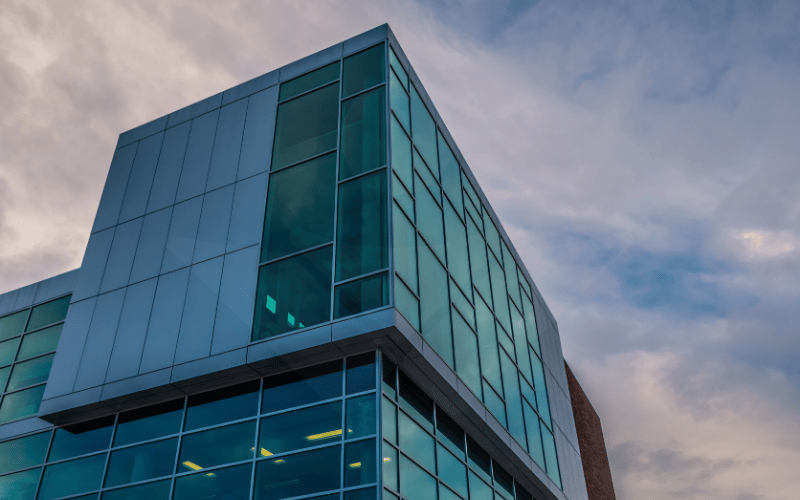
Energy-efficient design reduces the power consumption of buildings, particularly in cooling them in the warm summer months of Saudi Arabia. Architects address heat gain by incorporating insulation, providing window shading, using reflective building materials, and positioning buildings optimally. Energy-saving air-conditioning systems and LED lighting further reduce energy consumption and operating costs and increase indoor comfort.
Solar Energy and Renewable Energy
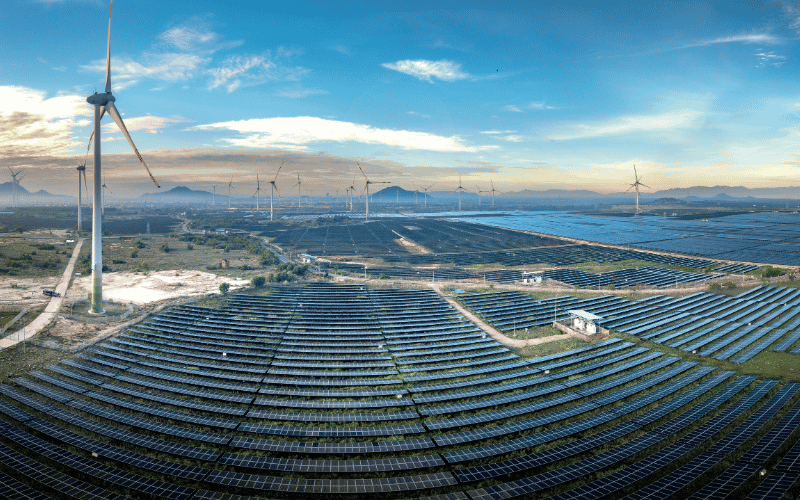
Solar energy is a good sustainable alternative as the country receives a lot of sunlight in Saudi Arabia throughout part of the year. Rooftop solar panels are one of the ways to produce clean electricity and decrease reliance on conventional power sources for buildings. Another application for solar technologies is water heating, which will reduce energy use and carbon emissions in buildings.
Water Conservation
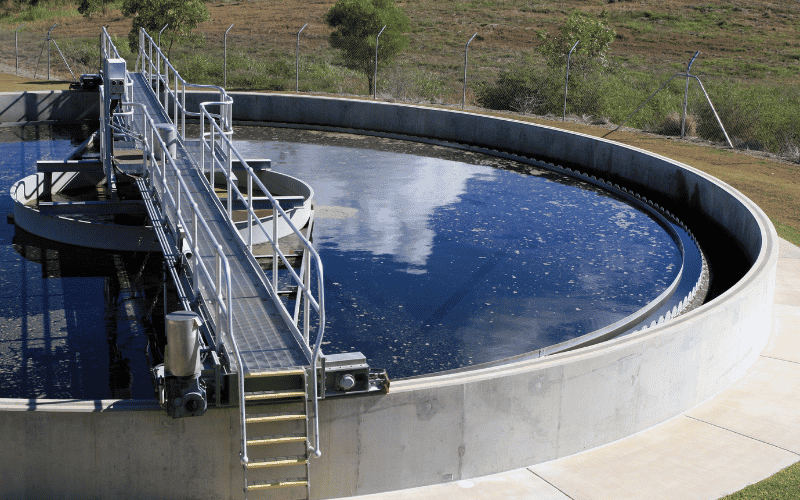
The conservation of water is crucial due to the scarcity of natural sources of water in Saudi Arabia. Sustainable buildings are designed to have water-efficient taps, water-efficient toilets, water-efficient irrigation, and leak detection systems. Wastewater can also be used for landscaping and other appropriate uses. This helps prevent waste and promotes mindful water use.
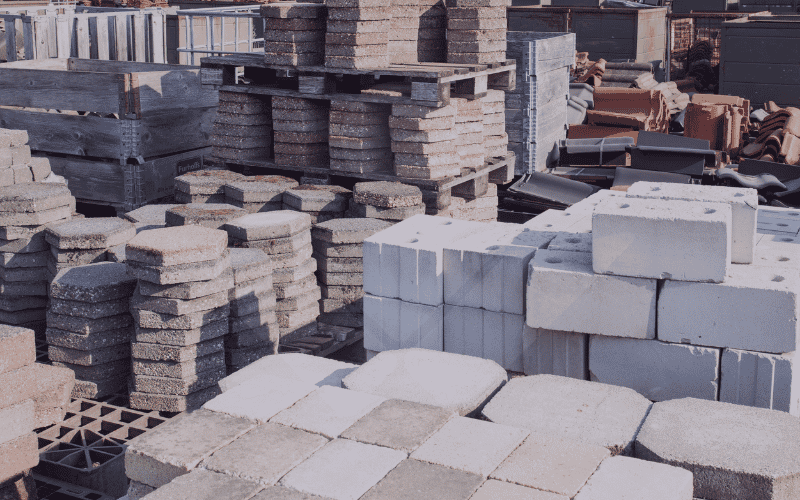
Sustainable Building Materials
Adopting sustainable materials can help minimize the environmental footprint of construction. Where possible, builders are encouraged to use materials that they can easily obtain, recycle, recycle and use again, and that are of good quality. Lower impact materials can help minimize transportation requirements and construction waste. This will lower the cost of maintenance and replacement during a building’s life by selecting products that last a long time.
Reduce, Reuse and Recycle
Waste generation can stem from construction projects with a significant amount of concrete, metals, wood, packaging, and other waste produced. Sustainable practices involve careful planning, precise material amounts, re-use, and recycling. Differentiating waste at the construction site facilitates recycling. This helps to decrease waste in landfills, save on resources, and increase project efficiency.
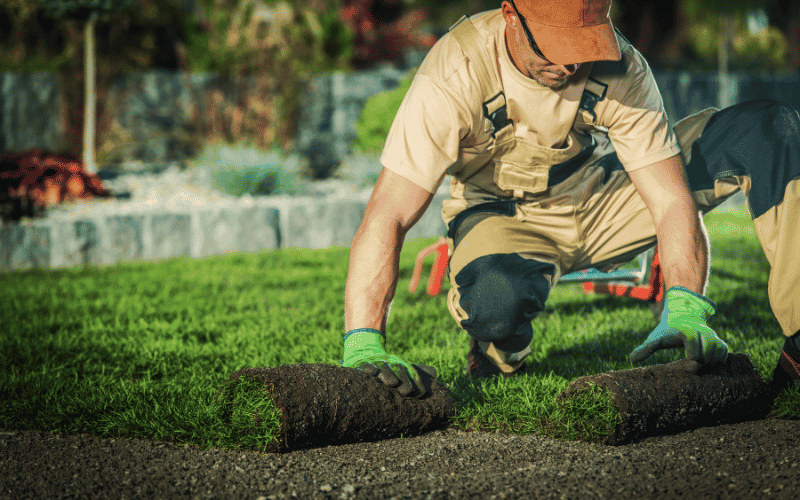
Green Landscaping and Outdoor Planning.
Buildings can better adapt to the dry climate of Saudi Arabia by implementing a sustainable landscaping approach. Sustainable landscaping can better help buildings adapt to the dry climate of Saudi Arabia. Other strategies, such as shaded outdoor spaces, permeable surfaces, and thoughtful landscape design, can also help cool down areas around buildings and make them more comfortable and attractive.
The Role of Smart Technology in Sustainable Buildings
Smart technology is a key contributor to making buildings in Saudi Arabia more sustainable. These building management systems can be used to track electricity, water, temperature, lighting, and air conditioning in real time. Sensors can automatically switch lights and cooling systems on or off depending on whether a space is being used or unused, thereby avoiding unnecessary energy consumption.
Smart meters can enable building managers to detect unusual usage and optimize performance. AI and data can also forecast maintenance requirements and enhance building efficiency. These technologies can lower operating costs, increase comfort for the occupants, and help with resource management. With increasing connectivity, cities in Saudi Arabia are making smart systems highly effective in improving the efficiency and responsiveness of sustainable buildings.
Link Between Sustainable Construction and Saudi Vision 2030
Saudi Arabia’s Vision 2030 aligns closely with sustainable construction as the national strategy aims to foster economic growth, environmental stewardship, and a high quality of life. Sustainable buildings can play a role in energy and water savings and cleaner, more efficient cities. Environmental performance and resource efficiency are taken into account in large development programs, such as new urban and tourism development programs, to an increasing extent.
Green Construction also stimulates innovation, modern technologies, and new business opportunities in the construction industry. The use of renewable energy, efficient systems, sustainable materials, and smart technologies can help to create better communities and more resilient cities through building projects. This helps to contribute to the overarching objective of Vision 2030 to develop a prosperous and sustainable future.
Challenges of Implementing Sustainable Construction in Saudi Arabia
There are some challenges in implementing sustainable construction in Saudi Arabia. The extreme heat of the country makes it imperative to consume energy for cooling, and thus the design of buildings should be energy efficient, which is a costly affair. Sustainable materials and technologies can also cost a lot of money and be difficult to access locally. Some construction professionals might not be aware of or skilled in green practices, which can hinder their implementation.
Moreover, due to the speed of urbanization and the scale of development projects, there is pressure to erect projects in a quick time frame, which may sometimes result in a lowered focus on sustainability. Another challenge is water scarcity, which necessitates water management systems. Last but not least, there is a demand for improving regulations, incentives, training and investments for sustainable construction throughout the industry.
Conclusion
Sustainable construction is vital to Saudi Arabia’s future, combining efficient materials, energy-smart design, optimized HVAC/MEP, water conservation, waste reduction, renewable energy, prefabrication, and smart technology. Wafaiyah supports durable, efficient, and environmentally responsible buildings that meet tomorrow’s needs.
Frequently Asked Questions
How does sustainable construction conserve water?
Low-flow fixtures, efficient plumbing, greywater recycling, leak detection, and appropriate water-reuse systems can reduce unnecessary consumption.
What is circular construction?
Circular construction keeps materials in use longer through reuse, recovery, recycling, and efficient resource management instead of disposal.
Can sustainable construction reduce project costs?
Sustainable construction can reduce lifecycle expenses through lower energy consumption, reduced waste, efficient resources, and improved building performance.
How does technology support sustainable buildings?
Smart sensors, BIM, automated controls, and intelligent MEP systems help monitor performance and optimize energy, water, and maintenance.