

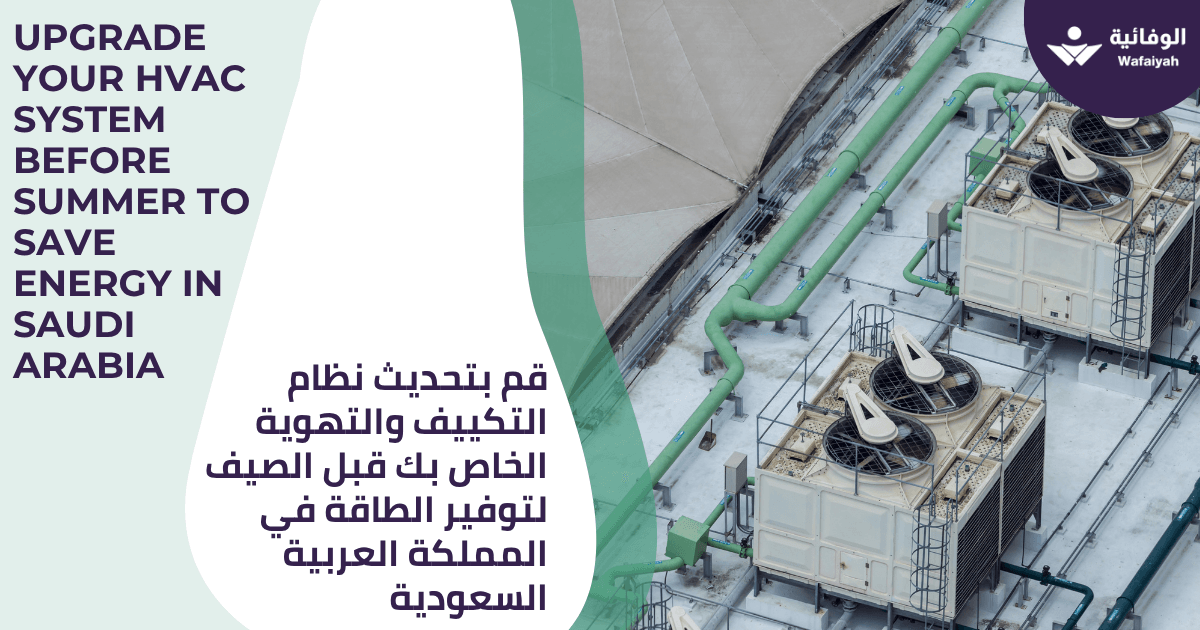
Saudi Arabia’s intense summer heat leaves little room for compromise when it comes to indoor comfort. As temperatures regularly exceed 45°C, reliable and efficient cooling becomes a necessity for both homes and businesses. Despite this, many still depend on aging HVAC systems that drive up energy costs and reduce performance. Companies such as Wafaiyah emphasize the importance of upgrading early, helping customers achieve better efficiency, lower expenses, and a more comfortable indoor environment.
The weather of Saudi Arabia is known for its extreme heat, long summer, and frequent dust storms, posing a lot of strain on air conditioning systems. The temperatures are usually above 45 degrees, which causes the systems to function better for a longer time. Under such scenarios, there is a high chance that the system can wear out and its overall performance decreases. But this is only because proper designing and maintenance of the equipment have not been made possible.
Internal parts can also be damaged by airborne dust and sand, which can also block filters. Similarly, the HVAC systems installed in such environments should be powerful, energy-efficient, and equipped with high-quality filtration. This will help them to guarantee stable performance, comfort inside the facility, and durability.
Major Signs Your HVAC System Needs an Upgrade
Rising Energy Bills
A sudden increase in energy prices without any decrease in consumption is a sign of low efficiency of HVAC. The older systems consume more power to deliver the same cooling. This inefficiency adds to the operating cost. This shows that the system is not performing effectively and reliably to address performance requirements.
Frequent Repairs and Breakdowns
While you are repairing your system on a regular basis, it is possible that it is at the end of its life cycle. High frequency of service is a sign of discomfort and increases the cost of maintenance in the long run. Modernization can also eliminate the cost of repair that may occur in the future.
Uneven Cooling Across Spaces
Finding variations in temperature among different rooms indicates that your system is not distributing the air in the most adequate way anymore. This can take place due to outdated technology, weak components or ineffective design of the system. The process of upgrading helps to balance the airflow, provide a greater level of zoning, and make the interior environment more comfortable.
Excessive Noise or Poor Air Quality
Internal wear or failing parts are visible through strange sounds, such as rattling or grinding. Weak filtration and ventilation are indicated by poor indoor air quality, such as dust accumulation or humidity. The modern systems have advanced air cleaning options to provide people with healthier and more comfortable indoor conditions.
Benefits of Upgrading Your HVAC System Before Summer
Improved Energy Efficiency
The modern systems come with the use of modern technology to significantly decrease the use of energy. During the peak summer season, the system will be able to function better if upgraded at an early time. This reduces utility costs, contributes to environmental sustainability and decreases the total carbon footprint of the system.
Enhanced Cooling Performance
Modern systems are fast and more reliable, offering cooler temperatures even in hot seasons. Early improvements help you to have better comfort without the time wastage or pressure on the system. Better ventilation makes homes and workplaces more comfortable during peak seasons with the control of airflow and temperature.
Reduced Risk of Breakdowns
Old systems generally fail when there is a high demand, particularly during the summer. The majority of the early upgrades reduce abrupt failures at the time when cooling is required most. This is a proactive measure to always have comfort and to remove the stress and inconvenience of repairing the vehicle in severe weather.
Lower Maintenance Costs
A new system requires fewer repairs and less maintenance than the old equipment. The pre-summer upgrade is useful to prevent the rising cost of ineffective system maintenance. Modern units are built to be more durable and reliable, which will save in the long term.
Better Indoor Air Quality
Modern systems incorporate better filters and a humidity system that improves indoor air quality. This is highly essential in dusty areas. Less polluted air reduces allergens, makes the environment more comfortable, and promotes better health.
Key Features to Look for When Upgrading HVAC
High Energy Efficiency Ratings
Select systems that have a high SEER or EER rating because they indicate improved energy performance. Effective systems reduce operational expenses and maintain good cooling. The high-efficiency equipment is a smart choice to invest in as it guarantees future savings. It also helps to achieve the sustainability objectives both at home and in a commercial building.
Advanced Filtration Systems
High levels of dust require powerful filtration in the dusty areas. These systems in the modern world have multi-stage filters which trap dust, pollutants and allergens. This improves air quality and ensures a healthier indoor environment within the building.
Smart Thermostat Compatibility
Smart thermostats provide an opportunity to remotely operate the systems. Hence, it regulates energy consumption with the help of automatic scheduling. Ease of use and performance modify the settings to offer personal comfort and reduce the amount of extra energy consumption in everyday use.
Durability and Build Quality
An excellent system is significant where the climatic conditions are harsh. Select units that are manufactured using quality material, handling extreme heat and dust. Long-lasting systems require less service, perform well and give control over repairs or replacement expenses.
Quiet Operation
The level of noise plays a fundamental role at home and in offices. Modern systems are designed to operate without noise to avoid compromising performance. Reduced noise improves comfort and productivity, which produces a calmer environment for the daily routine.
Timing Your Upgrade: Why Before Summer is Best
It is extremely important to upgrade your system before the arrival of summer. The services are in demand when the weather is hot, and this leads to delays and increased expenditure. Early action provides excellent scheduling, resulting in avoiding emergency replacements.
The upgrade during the pre-summer also gives a reasonable time to test the system to ensure that it runs efficiently when the temperatures rise. New systems are more efficient with heavy use, which helps regulate the costs of energy during hot months.
Making plans not only protects indoor comfort but also guarantees a hassle-free and simple process of upgrading. This will help in providing you with a better, more reliable and efficient cooling system whenever you need it most.
Smart Maintenance Practices to Keep Your HVAC Efficient
Filter Replacement Every 30 Seconds
Replacement of air filters is one of the simplest and most effective maintenance procedures. Good airflow, excellent performance and quality of air are all facilitated by clean filters. Ignoring this rule can result in the consumption of more energy and impose stress on the system elements. This will also lead to a decrease in the overall performance of the system.
Regular Professional Examination
Periodic check-ups by trained technicians are useful in detecting issues at an early stage. Professional service is done to make sure that all the parts are functioning properly and effectively. Such a proactive approach has the benefit of extending the lifespan of the system and letting the system function reliably.
Cleaning of Coils and Components
Coils and internal components may become dusty and dirty, impacting the performance and overall cooling capacity. Cleaning should be done regularly to ensure that there is proper heat exchange and system operation. Such practice of cleaning improves the consumption of energy and avoids overheating or airflow blockage.
Check Thermostat Settings
Ensuring that the thermostat is properly adjusted will improve the performance of the HVAC. Inappropriate settings can lead to overworking or underworking of the system. Periodic inspections and fine-tuning help to ensure the maintenance of constant temperatures.
Proper Airflow
Occluding vents or misplaced furniture may hinder the circulation of air and minimize efficiency. Frequent inspection and clearance of airways make sure that there is even cooling. Proper airflow will lower the strain on the system, increase comfort, and maintain consistent performance in every part of the building.
Summing up, acting before the summer heat arrives is a practical step toward maintaining comfort, controlling costs, and improving energy efficiency. In Saudi Arabia’s demanding climate, early upgrades make a measurable difference. With guidance from Wafaiyah, you can prepare confidently and ensure a cooler, more efficient season ahead.
Frequently Asked Questions
How much energy can I save by upgrading my HVAC system?
Upgrading to an energy-efficient system can reduce cooling energy consumption by 30–40%.
What is the best HVAC system for Saudi Arabia’s climate?
Inverter air conditioners and high-SEER central systems are ideal for extreme heat conditions.
How often should I service my HVAC system?
At least once a year, with more frequent filter changes due to dust.
Is it expensive to upgrade an HVAC system?
While upfront costs can be high, long-term energy savings and reduced maintenance make it cost-effective.